Teens
Fixed braces can be a useful option for growing patients, especially where consistent removable aligner wear may be difficult.


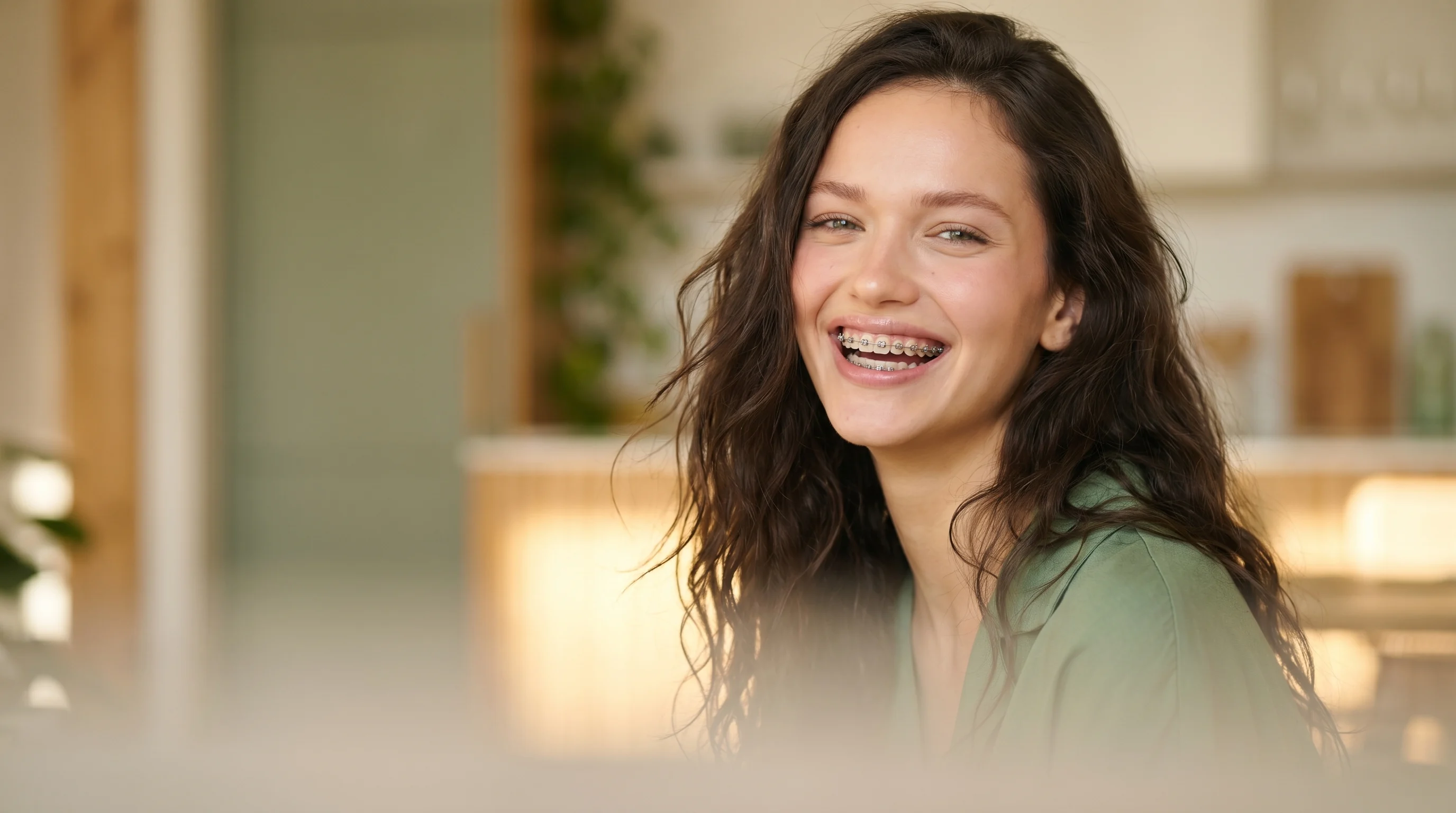
Braces in North York
Traditional metal and ceramic braces, planned around your teeth and bite.
Cost and financing
The cost of braces depends on the complexity of the case and the expected timeline, so we confirm your price at a consultation.
Up to 24 months on major treatment plans, subject to credit approval and terms.
We direct bill most major Canadian insurers.
Your full quote is confirmed after an assessment.
A consultation is required to determine whether this treatment is right for you. Individual results vary.
Braces in North York
Braces remain one of the most reliable ways to guide teeth into better positions over time. At seesmile, each step of braces treatment is designed around your teeth, your bite, your goals, and the kind of movement your case needs. If your case would be better managed by a registered specialist in orthodontics, we will tell you plainly and arrange a referral.
Braces can be useful for mild crowding, spacing, and more involved bite corrections. Because they stay fixed to the teeth, they allow precise control throughout treatment and do not rely on remembering to put aligners back in after meals.
Traditional orthodontics
Braces use small brackets bonded to the front of the teeth and connected by a thin archwire. The wire holds a planned shape and gently guides the teeth toward it over time. At scheduled visits, we adjust the wire and elastic ties to continue the movement. Some cases also use small elastics between the upper and lower teeth to help correct how the bite comes together.

Treatment fit
Fixed braces can be a useful option for growing patients, especially where consistent removable aligner wear may be difficult.
Adults can choose braces when teeth and gums are healthy enough for treatment and precise movement is needed.
Braces can provide controlled movement for more involved bite corrections, including overbite, underbite, and crossbite concerns.
Daily routine
The first few days after fitting or adjustment can bring tenderness, which usually settles. Soft foods and over-the-counter pain relief can help if they are safe for you. We also show you how to clean around brackets and wires using the right tools, because daily cleaning matters more during orthodontic treatment.
Hard, sticky, and very chewy foods can damage brackets, so we explain what to avoid and how to adapt your routine. Visits are scheduled every several weeks so we can keep the movement on track.

After braces
When braces come off, retainers help hold the teeth in their new position. We fit them at the end of treatment and explain how often to wear them, because retention is what protects the work after active movement is complete.
Questions